Fire Suppression Solutions for High-Risk Industries
Fire risks are changing as Australia electrifies.
Battery Energy Storage Systems (BESS), electric vehicles, battery-electric mining equipment, transformers, data centres and lithium-ion batteries entering waste streams present fire-protection challenges that can differ significantly from conventional fire scenarios.
RML AU provides engineered Compressed Air Foam System (CAFS) solutions for high-risk industrial applications across Australia.
Our approach focuses on understanding the hazard, detecting abnormal conditions early where appropriate, rapidly controlling flaming combustion, removing heat, limiting escalation or propagation and using firefighting water efficiently.
One Fire Risk Does Not Fit All
There is no single fire suppression strategy suitable for every application.
A BESS installation presents different challenges from a transformer.
An EV fire in an underground car park presents different challenges from a battery-electric vehicle underground in a mine.
A lithium-ion battery entering a recycling shredder presents a different risk again.
Effective fire protection therefore begins by understanding:
what can burn;
how the fire may develop;
how quickly it can be detected;
how suppression can reach the hazard;
how much cooling is required;
how fire spread or propagation can be limited;
how much firefighting water is available;
how contaminated firewater will be managed; and
what testing and technical evidence supports the proposed solution.
RML AU assesses CAFS as part of this wider fire-protection strategy. Thermal runaway is a fireman’s friend. Thermal runaway breaks the casing as it explodes in an exothermic manner. This exposes the battery cell for CAFS to attack.
Fire Suppression Applications
Battery Energy Storage Systems
BESS fire protection requires consideration of thermal runaway, flammable and toxic gases, fire propagation, prolonged cooling, re-ignition and potentially significant firefighting-water requirements.
RML AU CAFS solutions are focused on rapid fire control, sustained cooling, reduced thermal energy transfer and propagation management while using firefighting water efficiently.
Explore BESS Fire Suppression →
Lithium-Ion Battery Fire Protection
Lithium-ion battery risks extend well beyond grid-scale BESS.
Batteries are increasingly present in vehicles, equipment, buildings, industrial facilities, waste streams, charging infrastructure and energy systems.
For lithium-ion applications, the objective is not simply to extinguish visible flame. Fire protection must consider heat removal, continued cooling, propagation and re-ignition.
Explore Lithium-Ion Battery Fire Protection →
Electrification and Transformers
Transformers, substations and electrical infrastructure can involve high fire loads, electrical hazards and substantial conventional firewater requirements.
RML AU provides engineered CAFS solutions combining rapid flame control, cooling, vapour suppression where applicable and exposure protection, with the potential to substantially reduce water demand and associated fire-protection infrastructure in appropriate designs.
Explore Transformer & Electrical Fire Protection →
Electric Vehicles
EV battery fires can involve thermal runaway, difficult access to the battery pack, high heat release, re-ignition and prolonged cooling.
RML AU CAFS applications are designed around rapid-fire control and sustained cooling, including approaches for applying suppression to the vehicle and affected battery area.
Explore EV Fire Suppression →
Underground Car Parks and EV Charging
EV incidents within buildings introduce additional challenges including confined spaces, smoke and gas accumulation, adjacent vehicles, structural exposure, restricted firefighter access, drainage and contaminated firewater.
An engineered solution must consider the vehicle, battery and surrounding built environment.
Explore Underground Car Park & EV Charging Fire Protection →
Waste and Recycling
Lithium-ion batteries entering waste and recycling streams can initiate fires in collection vehicles, conveyors, shredders, processing equipment, bunkers and stockpiles.
Early detection and rapid targeted suppression can be critical to limiting escalation, equipment damage, business interruption and environmental consequences.
Explore Waste & Recycling Fire Suppression →
Underground Mining and Battery-Electric Vehicles
Battery-electric mining equipment introduces lithium-ion battery fire hazards into confined underground environments where personnel safety, ventilation, emergency access and water availability can be significant constraints.
RML AU CAFS solutions can be configured for fixed and mobile fire-protection applications in water-constrained industrial environments.
Explore Underground Mining & BEV Fire Protection →
Data Centres
Data centres increasingly incorporate lithium-ion UPS systems and other battery technologies alongside critical electrical infrastructure.
Fire protection must consider early detection, suppression, cooling, continuity of operations and the consequences of excessive water application around sensitive equipment.
Explore Data Centre Fire Protection →
Wind Energy
Wind turbines combine electrical ignition sources, combustible materials, difficult access, remote locations and limited water availability at height.
Fixed CAFS can provide an engineered suppression option for appropriate nacelle and wind-energy fire risks.
Explore Wind Energy Fire Protection →
Industrial and Dangerous Goods
Industrial facilities can contain combinations of combustible solids, flammable liquids, electrical equipment, machinery and hazardous materials.
CAFS can be engineered for selected industrial fire risks where rapid flame control, surface coverage, cooling, vapour suppression and efficient water use are required.
Discuss Your Industrial Fire Risk →
Our Technology — Compressed Air Foam Systems
CAFS combines water, a selected foam concentrate and compressed air to produce an aerated suppression medium.
Depending on the application and engineered configuration, CAFS can provide:
rapid flame knockdown;
sustained cooling;
effective surface coverage;
improved wetting;
adhesion to vertical and irregular surfaces;
vapour suppression where applicable;
reduced firefighting-water demand; and
reduced volumes of potentially contaminated firewater requiring management.
CAFS does not remove the need for water.
The objective is to use water more effectively.
Learn How Compressed Air Foam Systems Work →
Water Demand and Environmental Management
The quantity of firefighting water required can materially affect the design of a fire-protection system.
Water demand can influence:
water-storage capacity;
pumps;
pipework;
drainage;
containment;
contaminated firewater management;
infrastructure cost; and
emergency-response planning.
RML AU/EZCAFS testing has demonstrated water reductions of approximately 85% under defined test configurations compared with the conventional water application used as the test benchmark.
These results are not a universal reduction applicable to every project. Actual requirements depend on the hazard, fire scenario, application method and system design.
Reducing water demand can also reduce the volume of potentially contaminated firewater requiring containment and management, but it does not eliminate the need for appropriate environmental and firewater planning.
Evidence Before Claims
RML AU believes fire-protection decisions for high-risk infrastructure should be supported by relevant technical evidence.
The effectiveness of any suppression solution should be considered in the context of the actual fire hazard and the conditions under which it has been tested.
Depending on the application, assessment may consider:
fire or fuel type;
battery chemistry and capacity;
state of charge;
fire initiation method;
suppression application method;
water and foam flow;
application duration;
temperature response;
flame-control performance;
propagation behaviour;
total water consumption;
electrical performance where relevant; and
post-suppression monitoring.
RML AU can provide relevant CAFS technical information and available test documentation to support project-specific engineering assessment.
Explore CAFS Testing & Technical Evidence →
An Engineered Approach to Fire Suppression
Our approach can be summarised simply:
Understand the Risk
↓
Detect Early
↓
Intervene Rapidly
↓
Control Flaming Combustion
↓
Remove Heat
↓
Limit Propagation or Escalation
↓
Use Water Efficiently
↓
Manage Environmental Consequences
↓
Support the Solution with Evidence
Discuss Your Fire Protection Requirements
RML AU works with developers, engineers, asset owners, fire-safety professionals and industry stakeholders to assess fire risks and appropriate CAFS applications.
Whether your project involves BESS, lithium-ion batteries, electrification, EVs, mining, waste and recycling, data centres, wind energy or other high-risk infrastructure, the starting point is the same:
Understand the risk before selecting the solution.
Talk to RML AU about your project.
Fire Suppression Solutions for High-Risk Industries
-
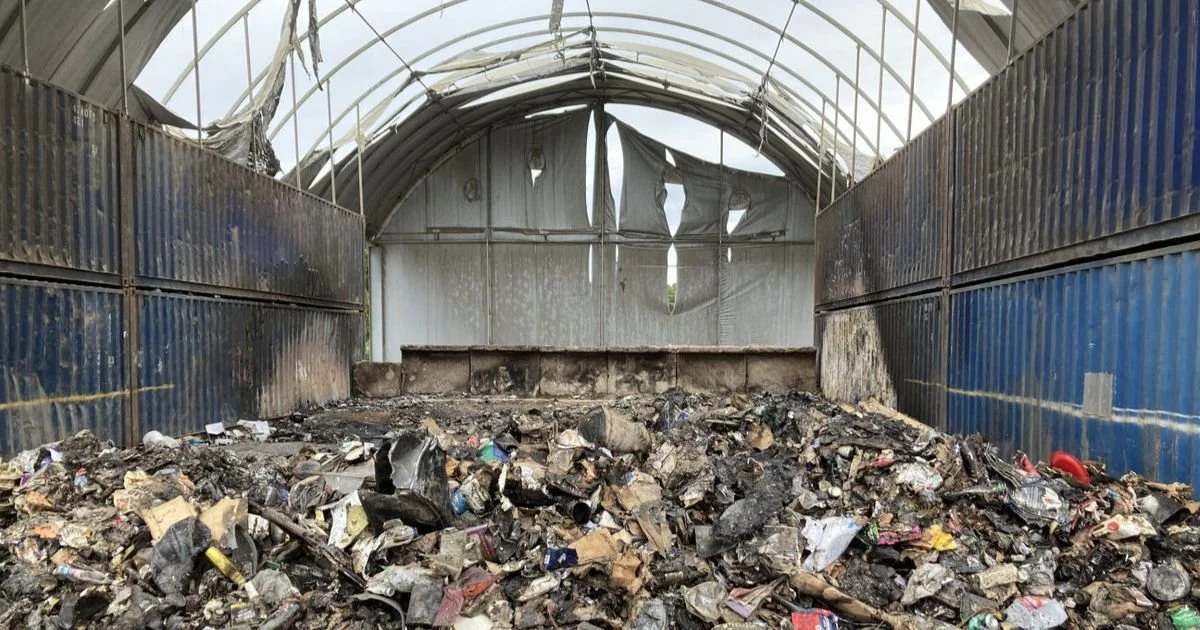
Recycling MRF protection
Business interruption and poor investor optics play havoc after a battery containing item fire.
Our system delivers simple measured outcomes.
Prevents THERMAL RUNAWAY, the critical risk in lithium-ion battery fires.
Rapid flame knockdown.
Reduces the water supply volume and firewater containment by up to 86%.
Our wetting agent selection is PFAS and PFOS free.
Installation costs over 30% less than most AS 2118 standard deluge solutions.
-
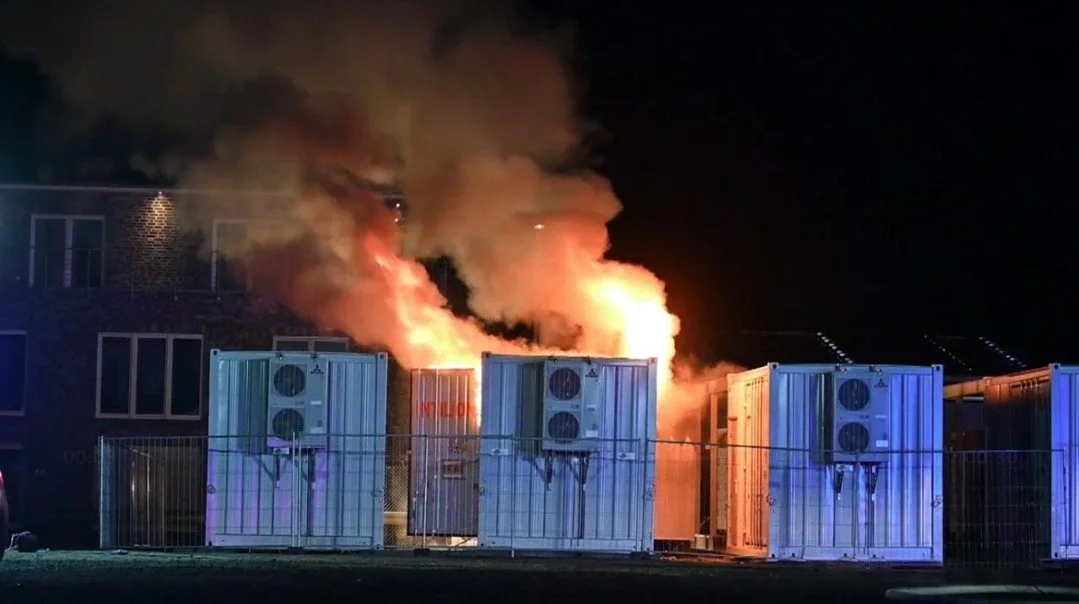
BESS Thermal runaway protection
RML AU provides solutions for lithium battery fire safety management.
We have specialised fire safety solutions for lithium battery storage areas.
Our system uses an aerosolised surfactant wetting agent, requiring 80% less water than traditional sprinklers, and aligns with NFPA 855 and Australian Standards.
It's designed to mitigate thermal runaway events quickly and protect assets for repair not replacement.
Listed (SSE) clients.
Guangzhou Zhiguang Electric Co https://www.gzzg.com.cn
Hyper Strong. https://www.hyperstrong.com
-
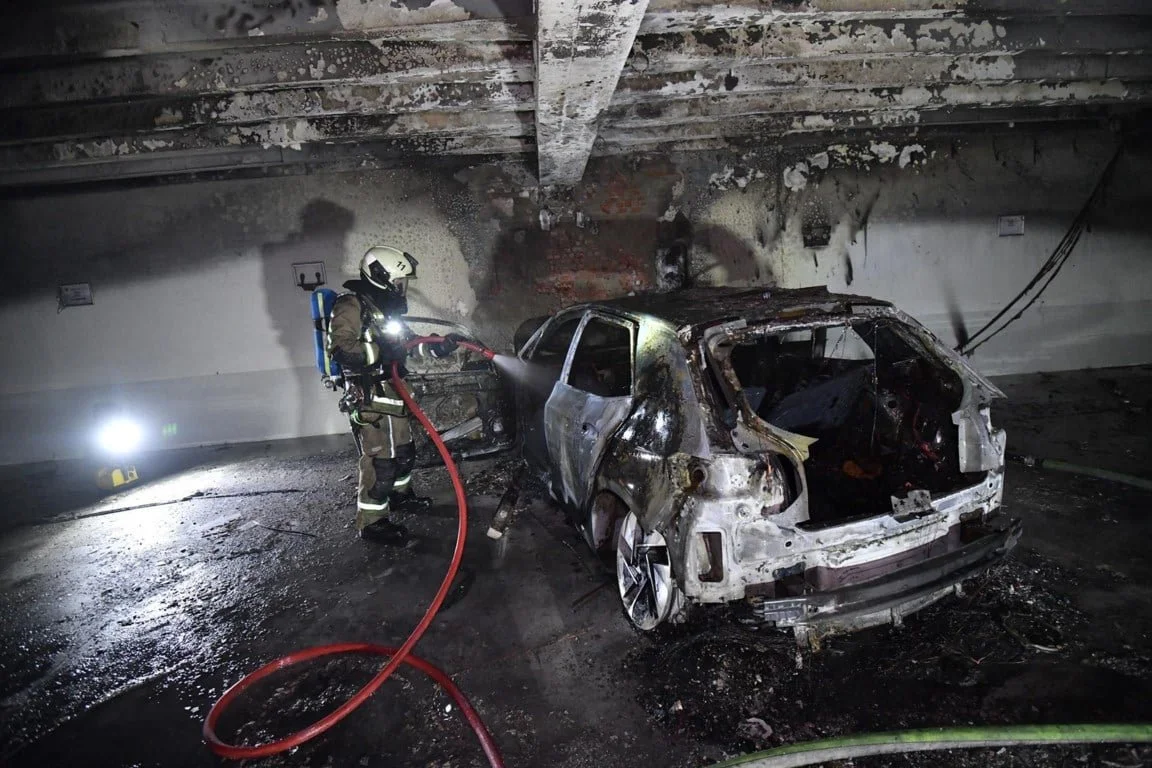
EV Underground parking protection
There is a conflict between the uptake of EV’s in Australia and building owners shying away from having EV charging stations installed in their assets, we have the solution.
The equipment approved in NSW as an “alternative sprinkler” system under AS 2118.
A system that will stop thermal runaway and protect the surroundings during an EV fire.
Our Fire installation companies are approved nationally.
All site inspections, engineering and design is 100% in-house.
-

ESG carbon spikes
Recycling and green energy companies are investing and helping Australia to reach our net zero targets.
RML CAFS systems are the best fire suppression systems for industrial facilities.
RML can help you find a reliable company for safety risk assessments in Sydney and Nationally.
New technology presents both opportunities, to reduce Green House Gases, but also poses a real and present danger to recycling industry facility fires.
Battery Containing Devices (BCD) are an ever-present risk in today’s activities and unexpected facility fires can rapidly cause a spike in Scope 1 emissions.
Stop these surprises and stop the environmental damage.
Our Fire suppression systems stop the surprises and stop the damage.
Call today!